
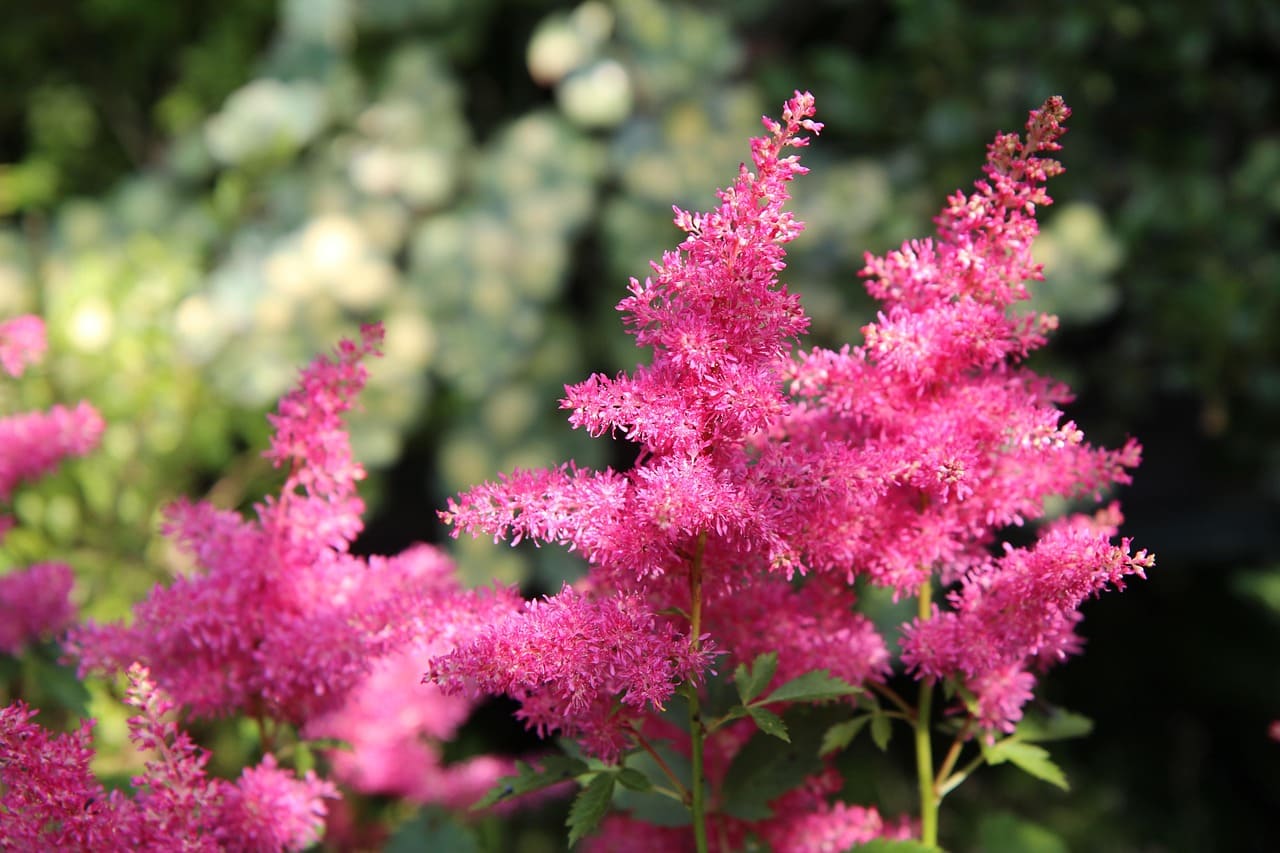
In the world of flowering perennials, few plants bring as much quiet elegance and charm as the astilbe plant. With its feathery plumes, fern-like foliage, and wide range of colors, the astilbe flower adds texture and sophistication to shaded or partially shaded gardens. Often called false spirea, astilbe has long been cherished by gardeners for its versatility, reliability, and ability to brighten the dim corners of the landscape where other plants struggle to thrive.
Whether you’re designing a woodland garden, a shaded border, or a peaceful retreat filled with soft colors, the astilbe perennial is a must-have. It combines structure, beauty, and resilience—three qualities that make it one of the most rewarding plants to grow.
The Allure of Astilbe
The astilbe plant is native to Asia and North America, and it thrives in areas where moisture and shade come together. Unlike sun-loving flowers that fade in the heat, astilbe shines in cooler, shadier locations, where its plume-like blossoms stand tall above lush, finely textured foliage.
Each astilbe flower cluster consists of dozens of tiny blooms that create a soft, feathery effect. The colors range from pure white and pastel pink to deep red, lavender, and coral. The delicate texture of the flower spikes adds movement to the garden, gently swaying in the breeze. Even after the blooms fade, the seed heads remain attractive, offering continued visual interest well into autumn.
Astilbe varieties come in different heights, from petite plants just a foot tall to impressive varieties reaching up to four feet. This makes them ideal for layered plantings where you want to mix height and texture.
Astilbe or “False Spirea”
Astilbe’s common name, false spirea, comes from its resemblance to the spirea shrub, which has similarly shaped flower clusters. However, while spirea prefers sunny, dry conditions, astilbe thrives in partial to full shade and moist soil. The nickname “false spirea” is a nod to its similar appearance—but once you see an astilbe flower up close, its individuality becomes clear.
The blooms are softer, airier, and more delicate than spirea’s, and the leaves are deeply divided, giving the plant a lush, fern-like texture. It’s this combination of soft flower plumes and rich foliage that makes the astilbe perennial such a sought-after addition to shade gardens.
The Charm of the Astibelle
If you’ve heard the name Astibelle, you might be wondering what it means. “Astibelle” often refers to a specific hybrid group of astilbe varieties that are particularly robust and floriferous. These cultivars were bred for their compact form, vibrant colors, and strong stems that resist flopping.
Astibelle varieties, such as ‘Astibelle Peach Blossom’ or ‘Astibelle White,’ offer the same airy grace of traditional astilbes but with enhanced durability and longer bloom times. They’re perfect for gardeners who want a reliable, low-maintenance plant that still provides spectacular color and texture throughout the summer.
Growing and Caring for Astilbe
The astilbe plant may look delicate, but it’s surprisingly hardy. As a perennial, it returns year after year with minimal care. The key to success lies in the right growing conditions: rich, organic soil and consistent moisture. Astilbe prefers soil that stays damp but not waterlogged, so mulching around the base of the plant helps retain moisture during dry spells.
Astilbes thrive in shade or partial shade, making them ideal companions for other shade-loving plants like hostas, ferns, and heucheras. They also look beautiful planted beneath trees, where their soft colors brighten the dim understory.
If you’re pairing plants for contrast, try growing astilbe near a lavender plant. While lavender prefers more sun and drier soil, placing them in adjoining areas of your garden—one basking in the light, the other thriving in shade—creates a stunning visual balance. The soft purple hues of lavender complement the delicate pinks and whites of astilbe, while their contrasting growing preferences showcase the diversity of nature’s palette.
Designing with Astilbe
Astilbes are perfect for creating layers of texture in your garden. Use shorter varieties along borders or paths, and taller types as backdrops for other shade perennials. The plumes look particularly striking when planted in groups, forming soft drifts of color that glow in dappled light.
Because they bloom in late spring to early summer, astilbes fill the gap between spring bulbs and summer perennials, keeping your garden colorful and dynamic through the changing seasons. Their dried flowers also make lovely additions to floral arrangements—whether fresh or preserved.
A Timeless Favorite
In a garden world filled with showy blooms and fast-fading flowers, the astilbe perennial stands out as a symbol of quiet beauty and endurance. Whether you call it false spirea or simply astilbe, this plant brings a touch of grace that few others can match.
From the enchanting hybrid Astibelle to the classic varieties loved by gardeners for generations, every astilbe plant tells a story of resilience and refinement. Pair it with a lavender plant nearby for contrast, or let it shine on its own in a shaded corner—either way, it will add a touch of timeless elegance to your garden.
So, the next time you’re planning your landscape, don’t overlook the soft, feathery charm of the astilbe flower. It’s proof that sometimes, the quietest blooms make the loudest impression.