
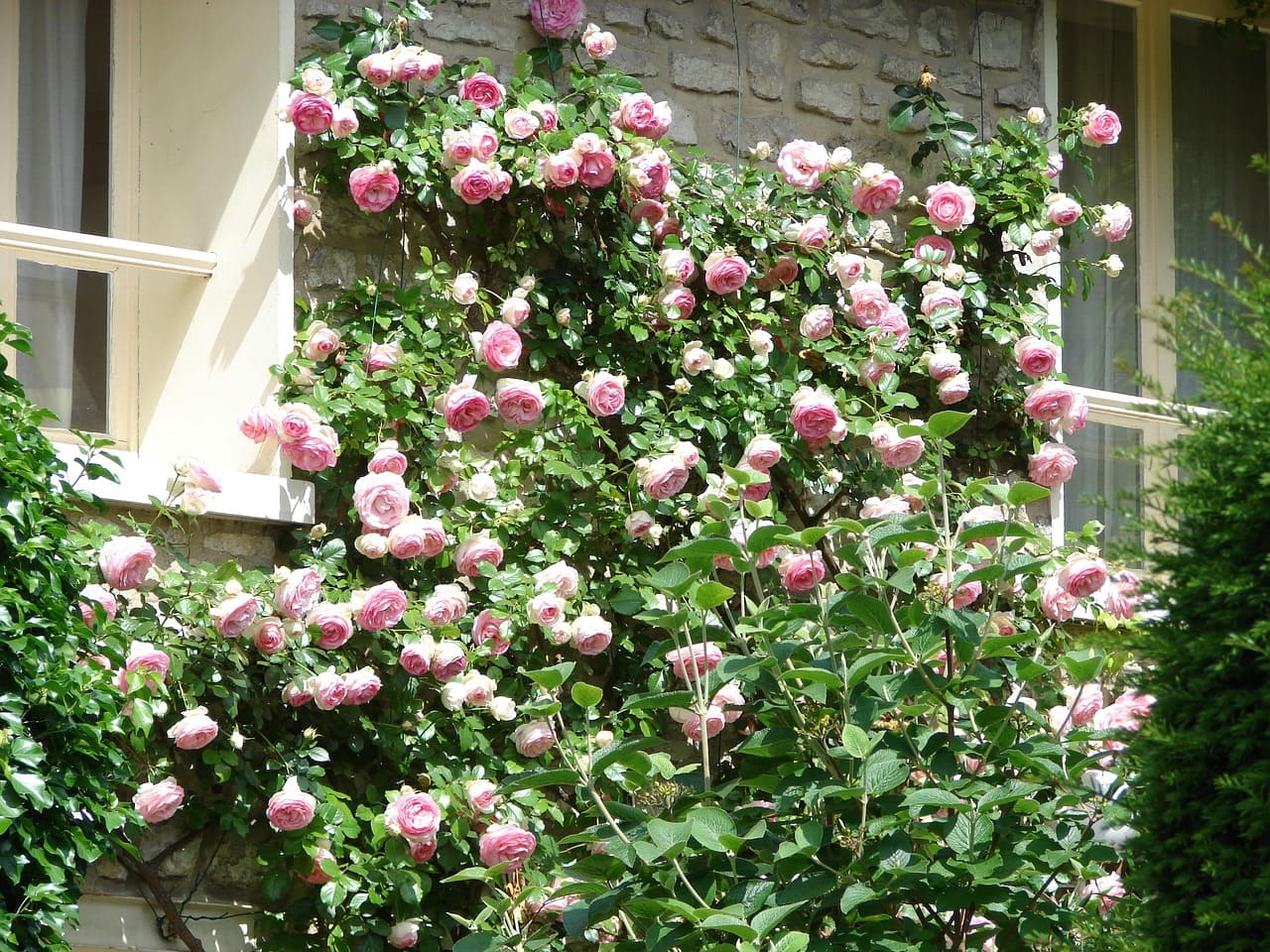
Few sights in a garden are as breathtaking as a trellis or fence covered in fragrant climbing roses. Their cascading blooms, rich colors, and graceful form bring an air of romance and timeless charm to any outdoor space. Whether you’re designing a classic cottage garden or adding a touch of elegance to a modern yard, climbing roses have a way of transforming even the simplest setting into something extraordinary.
These roses are more than just pretty faces—they’re vigorous growers, versatile in design, and surprisingly easy to care for once established. From the beloved Eden climbing roses to the nostalgic Lady Banks rose and the resilient Peggy Martin climbing rose, there’s a variety for every gardener’s taste and growing condition.
The Allure of Climbing Roses
Unlike shrub or bush roses, climbing roses don’t climb on their own like vines; instead, they produce long, flexible canes that can be trained along trellises, arbors, fences, or pergolas. With a little guidance, these canes can create breathtaking walls of color that bloom repeatedly throughout the season.
The Eden climbing rose is one of the most beloved varieties, known for its lush, full blooms in delicate shades of pink and cream. Often referred to as “Pierre de Ronsard,” this rose exudes an old-fashioned charm reminiscent of English gardens. Its blossoms are densely petaled and fragrant, making it a favorite choice for romantic garden designs. The Eden rose pairs beautifully with soft companion plants like astilbe, whose feathery plumes add texture and a gentle contrast beneath the arching rose canes. The combination creates a harmonious blend of color and form—perfect for shaded pathways or the base of a garden trellis.
Rambling vs. Climbing Roses
Many people use the terms “climbing” and “rambling” roses interchangeably, but they’re actually different types. Rambling roses are vigorous and fast-growing, producing long, flexible canes that can cover large areas quickly. They typically bloom once per season, but their abundant clusters of small flowers make an unforgettable display.
If you’re looking for a low-maintenance way to cover an unsightly fence or an old garden shed, a rambling rose might be your perfect match. Their natural ability to spread quickly and cascade beautifully makes them ideal for creating a lush, cottage-garden feel.
Climbing roses, on the other hand, tend to have larger blooms and repeat their flowering throughout the season. They’re easier to train and shape, making them a better fit for controlled designs like arched walkways or pergolas. Combining both ramblers and climbers in a large garden can create layers of texture and blooming waves of color.
Classic Favorites: Lady Banks and Peggy Martin
For gardeners who love history and resilience, few roses have stories as touching as the Lady Banks rose and the Peggy Martin climbing rose.
The Lady Banks rose (Rosa banksiae) is a nearly thornless variety that bursts into bloom in early spring. Its clusters of small yellow or white flowers create a cloud-like effect, soft and fragrant. This rose is incredibly vigorous and can cover large spaces—some specimens have been growing for over a century! Its delicate blooms and light scent make it a timeless favorite for southern gardens.
Then there’s the Peggy Martin climbing rose, often called the “Hurricane Katrina rose.” This hardy variety earned its fame after surviving two weeks under saltwater following the devastating storm that wiped out much of Louisiana’s Gulf Coast. When the waters receded, the Peggy Martin rose began to grow again, symbolizing hope, endurance, and the resilience of nature. Today, it’s cherished not just for its beauty—clusters of pink, lightly scented flowers—but also for its inspiring story.
Designing with Climbing Roses
Climbing roses are incredibly versatile in garden design. Train them over archways to create a romantic entrance, along a pergola for dappled shade, or across a garden wall for a classic European feel. They also look stunning paired with companion plants that provide contrast and balance.
For example, astilbe works wonderfully at the base of climbing roses, especially in partially shaded areas. Its airy flower spikes in pinks, whites, and reds complement the dense rose blooms, while its foliage provides lush coverage for the ground below. You can also plant lavender, salvia, or catmint nearby to attract pollinators and add layers of texture and fragrance.
Caring for Climbing Roses
To keep your climbing roses healthy and blooming, plant them in well-drained soil where they’ll receive at least six hours of sunlight per day. Water deeply and regularly, especially during dry spells. Prune once a year—usually in late winter—to remove dead wood and shape the canes. Regular feeding with a balanced rose fertilizer will encourage vigorous growth and abundant flowers.
Training your roses early is key. Use soft ties to secure new canes to supports, gently guiding them as they grow. Horizontal training encourages more flowering side shoots, giving you an even more spectacular display.
A Garden Classic That Never Fades
From the lush Eden climbing roses to the cascading rambling roses, from the historic Lady Banks rose to the indestructible Peggy Martin climbing rose, these plants bring beauty, fragrance, and meaning to every garden. They remind us that growth can be both graceful and strong, delicate yet enduring.
Whether paired with the soft texture of astilbe or standing alone against a sunlit wall, climbing roses add elegance that never goes out of style. With just a little care and creativity, your garden can become a living tapestry of color and scent—a timeless tribute to nature’s artistry.