
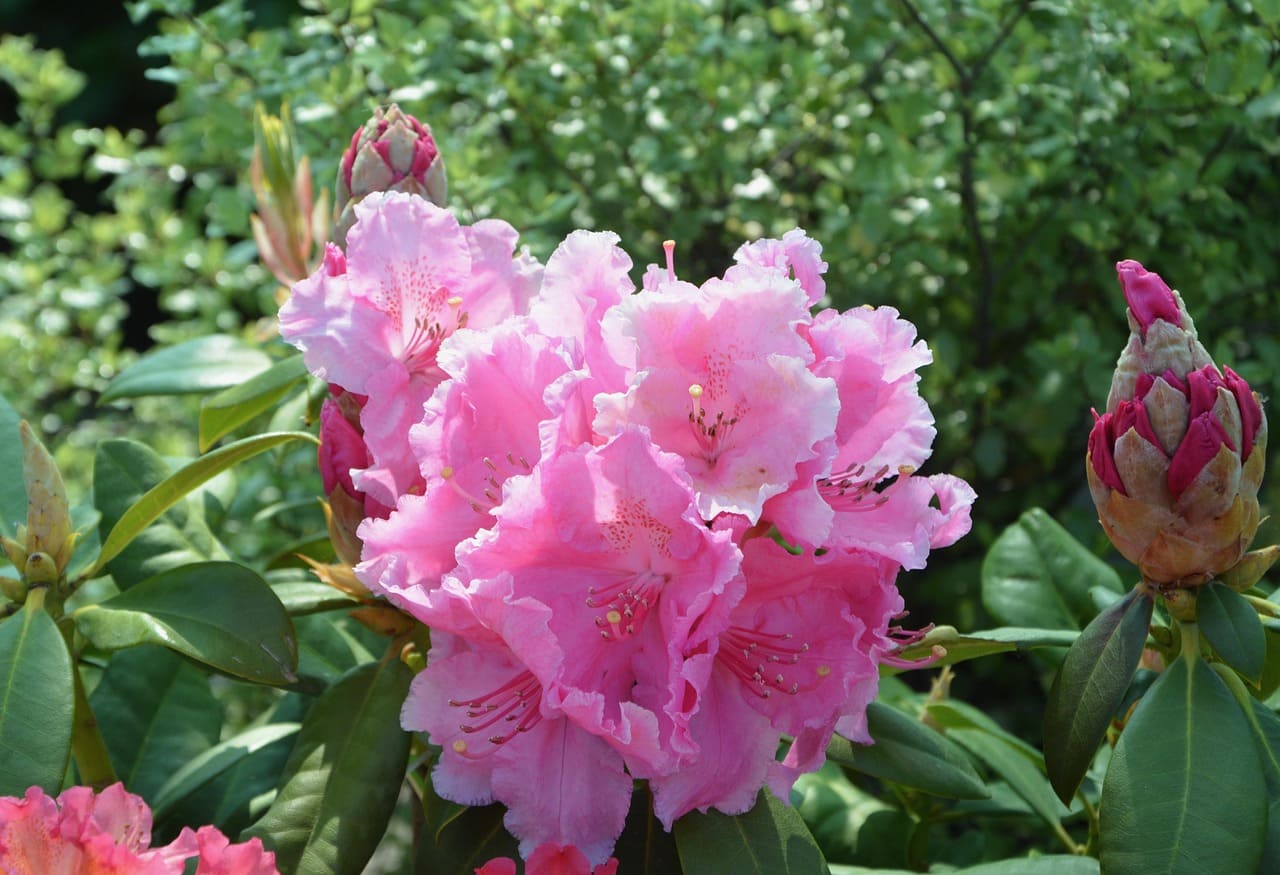
There are few plants as striking and regal as the rhododendron. With their lush foliage and stunning, trumpet-shaped blooms, these flowering shrubs transform gardens into vibrant showcases of color each spring. Whether you’re drawn to the compact beauty of a rhododendron bush or the grandeur of a mature rhododendron tree, these plants bring structure, elegance, and long-lasting appeal to both home gardens and landscapes.
The Timeless Appeal of Rhododendrons
The name rhododendron comes from the Greek words rhodos (rose) and dendron (tree), a fitting description for a plant that combines the beauty of roses with the presence of a small tree. Belonging to the same family as azaleas, rhododendrons are prized for their large clusters of blooms that can range in color from soft pastels to vivid reds, purples, and pinks.
The rhododendron flower is more than just a pretty face—it’s a symbol of abundance and renewal. When in full bloom, these flowers create a breathtaking spectacle that few other shrubs can rival. Each cluster may contain dozens of individual blossoms, attracting pollinators like bees and hummingbirds while filling the air with subtle fragrance.
Rhododendrons are evergreen in most varieties, meaning they provide year-round interest. Their glossy green leaves offer texture and depth even after the flowering season has passed, ensuring your garden remains visually appealing through every season.
Rhododendron Bush or Tree: Choosing the Right Variety
When planning your garden, it helps to understand the difference between a rhododendron bush and a rhododendron tree.
The rhododendron bush is the form most gardeners are familiar with—compact, manageable, and perfect for hedges, borders, or foundation plantings. These shrubs typically range from a few feet tall to about six feet, depending on the variety. They make excellent companion plants for ferns, hostas, and other shade-loving perennials.
On the other hand, a rhododendron tree is a larger, more majestic specimen. Some species can grow over 20 feet tall, with a spreading canopy of blossoms that command attention in any landscape. These tree-like rhododendrons are ideal for creating focal points or anchoring garden designs. Their impressive stature and abundant blooms add drama and elegance, especially when planted near walkways or garden entrances.
One of the most popular and reliable varieties for home gardeners is the PJM rhododendron. This hardy hybrid is known for its beautiful lavender-purple flowers and ability to withstand cold winters better than many other varieties. The PJM rhododendron blooms in early spring, often one of the first shrubs to flower after the frost has melted, and its dark green leaves take on a lovely bronze hue in fall. It’s an excellent choice for gardeners who want year-round color and resilience.
Azaleas and Rhododendrons: What’s the Difference?
It’s common to hear people use the terms azaleas and rhododendrons interchangeably, and for good reason—they’re part of the same plant family. However, there are a few key differences between the two.
Azaleas tend to have smaller leaves and blooms and are usually deciduous, meaning they lose their leaves in winter. Rhododendrons, by contrast, are often evergreen, with thicker, leathery leaves and larger clusters of flowers. Both share similar growing conditions—preferring acidic, well-drained soil and partial shade—and can complement each other beautifully in the same landscape.
A garden that combines azaleas and rhododendrons offers a dazzling display of color across the seasons, as different varieties bloom at slightly different times. Together, they create a layered, textured look that feels both natural and lush.
Growing and Caring for Rhododendrons
Rhododendrons thrive best in cool, partially shaded environments with protection from harsh afternoon sun. They prefer rich, acidic soil with good drainage. When planting, ensure the root ball sits slightly above ground level to prevent waterlogging, as rhododendrons are sensitive to “wet feet.”
Mulching around the base helps maintain soil moisture and temperature while keeping weeds at bay. Regular watering during dry spells is important, especially for younger plants. Avoid heavy pruning, as rhododendrons generally maintain their shape naturally. Simply remove spent blooms and any dead or crossing branches after flowering.
For added garden variety, consider pairing rhododendrons with plants that complement their colors and textures. The vertical spikes of salvias, for example, contrast beautifully with the rounded form and soft petals of rhododendrons. The deep blues and purples of salvias enhance the bright pinks or whites of rhododendron flowers, creating a balanced and dynamic garden palette.
The Lasting Beauty of Rhododendrons
From the compact charm of a rhododendron bush to the stately presence of a rhododendron tree, these plants embody grace and vitality. They offer stunning color, lush foliage, and effortless sophistication to any garden design.
Whether you choose a resilient PJM rhododendron for colder climates or experiment with mixed plantings of azaleas and rhododendrons for extended bloom time, these shrubs are sure to bring joy year after year.
Paired with complementary plants like salvias, rhododendrons create a garden full of color, depth, and texture—a living masterpiece that changes with the seasons. For gardeners seeking beauty that lasts and blooms that captivate, the rhododendron is a timeless choice that never goes out of style.