
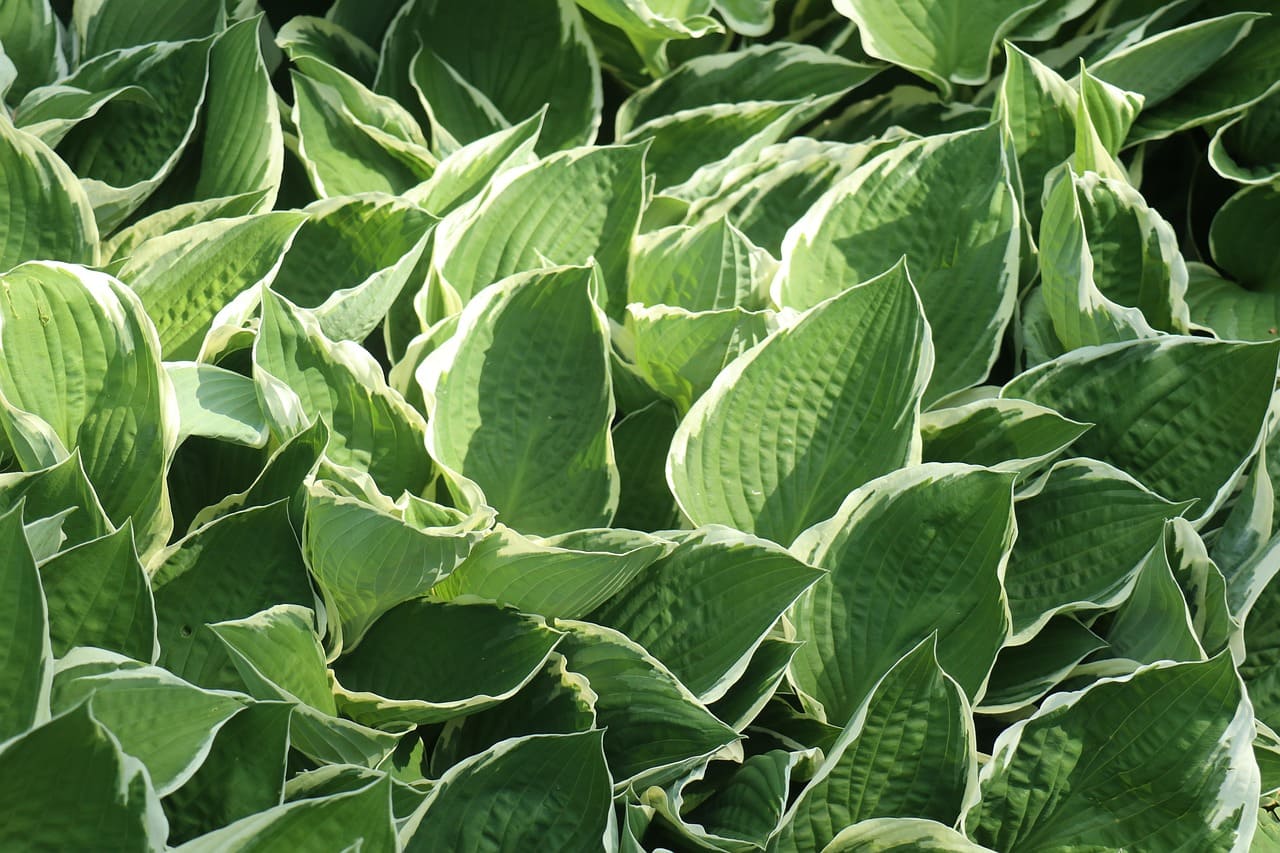
When it comes to creating a lush, inviting garden that thrives in shade, few plants are as dependable and versatile as the hosta plant. Known for their stunning foliage, hardy nature, and graceful hosta flowers, these perennials have earned their place as the cornerstone of countless gardens. Whether you’re working with deep shade or dappled sunlight, growing hostas adds instant structure, beauty, and serenity to your outdoor space.
Often referred to by their other name, plantain lily, hostas come in an astonishing variety of shapes, colors, and sizes. From small, delicate varieties that fit perfectly in containers to large, dramatic cultivars that can fill an entire corner of your garden, there’s a hosta for every gardener and every design style.
The Beauty of the Hosta Plant
The hosta plant is beloved for its bold, leafy presence and wide range of colors—from deep emerald greens and blues to creamy yellows and variegated patterns that seem painted by hand. The leaves can be heart-shaped, round, or elongated, with textures that vary from smooth and glossy to deeply ribbed and matte.
Hostas are especially prized for their ability to thrive in shaded areas where other plants struggle. While they enjoy a bit of morning sun, too much direct afternoon light can scorch their leaves. This makes them perfect companions for shaded walkways, under trees, or along the north side of your home.
Despite being grown primarily for their foliage, hostas also produce charming hosta flowers—tall spikes adorned with delicate, trumpet-shaped blooms in shades of white, lavender, and pale purple. These blossoms not only add an elegant vertical element to your garden but also attract pollinators like bees and hummingbirds.
Growing Hostas: Simple and Rewarding
One of the best things about growing hostas is how easy they are to care for. They’re low-maintenance perennials that come back year after year, growing larger and more beautiful with time.
Hostas thrive in well-drained, moist soil enriched with organic matter. They appreciate consistent watering, especially during dry spells, but dislike standing water. Adding mulch around the base of the plant helps retain moisture and keeps the roots cool during hot summer days.
If you’re planting new hostas, space them generously—these plants spread as they mature. Early spring or fall is the best time to plant or divide them. Once established, they require minimal attention aside from occasional watering and some protection from slugs and snails, which are particularly fond of their tender leaves.
The Allure of the Purple Hosta
Among the many varieties of hostas, the purple hosta stands out as a true showstopper. While the leaves themselves aren’t always purple, these varieties are known for producing stunning purple or violet blooms that rise gracefully above the foliage.
Purple hostas often have unique leaf tones too—sometimes a cool blue-green or variegated pattern that enhances their floral display. They add depth and contrast to shady gardens and look especially striking when planted alongside lighter-colored hostas or other shade-loving plants.
If you love mixing textures and colors, pair your purple hostas with begonias. The lush, waxy leaves and vibrant blooms of begonias create a stunning contrast against the cool greens and blues of hosta foliage. Both plants thrive in similar conditions—moist soil and partial shade—making them ideal companions in containers or shaded flower beds.
Hostas in Garden Design
The hosta plant is a master of versatility. Large hostas, with their broad leaves, create an instant focal point and can be used as a natural border or background plant. Smaller varieties work beautifully in rock gardens, along paths, or as edging around larger shrubs.
Their lush foliage also makes hostas an excellent backdrop for colorful shade flowers like impatiens, astilbe, or begonias. For a more dynamic landscape, mix different hosta types—blue-leafed varieties for a cool, tranquil effect, and gold or variegated types for brightness and contrast.
Hostas are also popular in container gardening. A single mature plant in a decorative pot can make a striking statement on a shaded patio or balcony. Combine them with trailing ferns, heucheras, or begonias for an elegant, layered display.
The Timeless Appeal of Plantain Lilies
While plantain lily may sound simple compared to the more common “hosta,” the name perfectly captures the plant’s classic beauty and heritage. Native to East Asia, hostas have been cultivated for centuries and symbolize friendship, devotion, and calm—qualities that resonate with gardeners around the world.
They are plants that reward patience and consistency. Each year, as they emerge from the soil with fresh leaves unfurling, they remind us that beauty often grows in the quiet, shaded corners of life.
A Lasting Garden Favorite
Whether you’re drawn to the rich foliage of the hosta plant, the elegance of hosta flowers, or the soothing hues of the purple hosta, one thing is certain—these perennials bring grace and texture wherever they grow. They’re low-maintenance, long-lived, and endlessly adaptable, making them a cornerstone of any shade garden.
When paired with colorful begonias, hostas truly shine, creating a balanced landscape that blends bold leaves with vibrant blooms. So, if you’re looking to add depth, color, and a touch of tranquility to your garden, start growing hostas—your shaded spaces will never look the same again.