
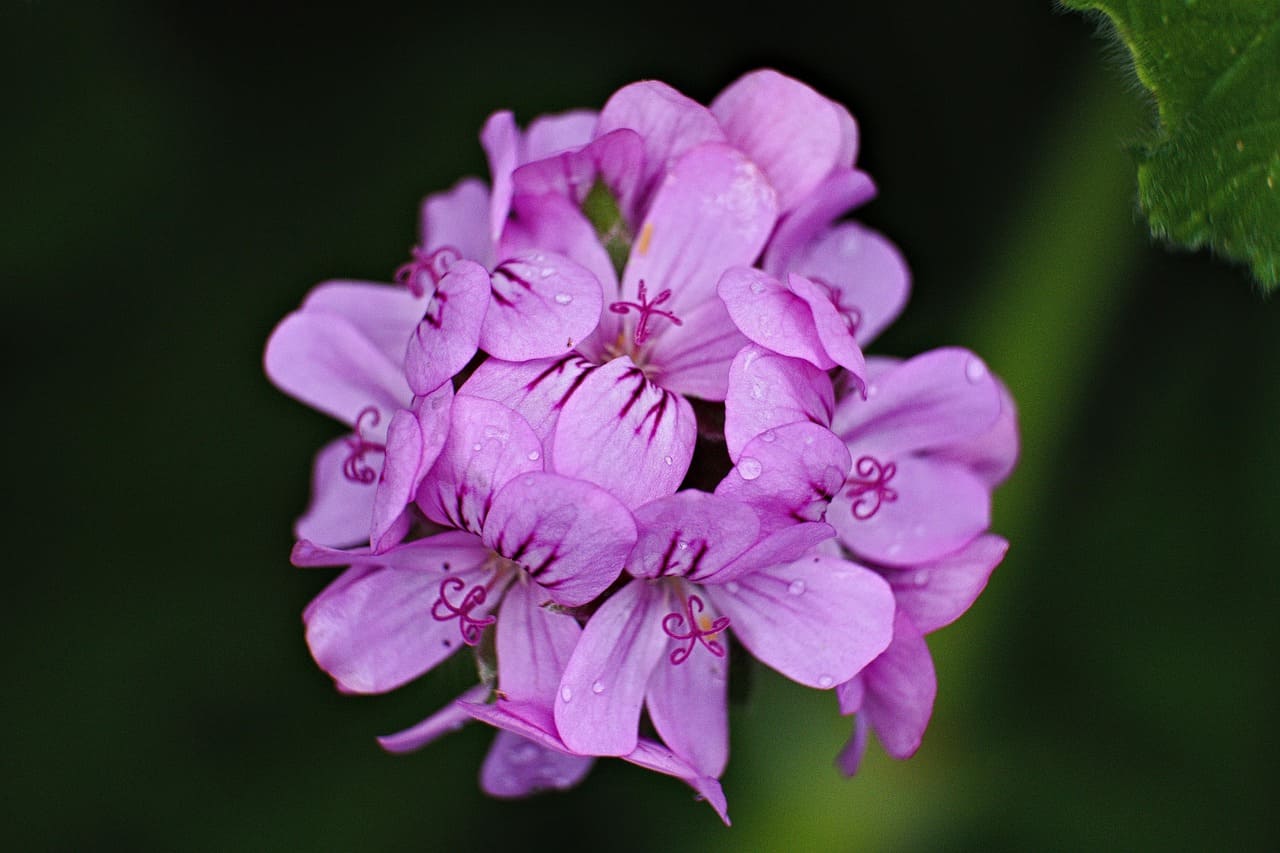
Few garden plants offer as much color, texture, and reliability as the geranium. From their cheerful flowers to their aromatic foliage, these hardy favorites have earned a permanent place in gardens around the world. Whether you’re growing them in hanging baskets, borders, or woodland edges, perennial geranium plants bring long-lasting charm and adaptability to nearly any landscape.
Though many people associate geraniums with the bright annuals that fill window boxes and porch planters, there’s a whole world beyond the familiar garden variety. The true perennial geraniums—sometimes called cranesbill geraniums—are a diverse and rewarding group that offers something for every gardener.
The Beauty and Strength of Perennial Geraniums
Perennial geranium plants are beloved for their resilience and ability to thrive in a variety of conditions. Unlike their annual cousins, which need to be replanted each year, perennial geraniums return reliably season after season, forming dense, low-growing mounds that spread gently without becoming invasive.
Their blooms range from pale pinks and lavenders to deep purples and magentas, often with delicate veining that gives each flower an intricate, hand-painted appearance. The name cranesbill geranium comes from the distinctive shape of the plant’s seed pod, which resembles a crane’s beak.
One of the best features of perennial geraniums is their long blooming season. Many varieties flower from late spring through fall, adding color when other plants fade. They’re also deer-resistant and tolerant of a range of soils, making them ideal for borders, rock gardens, and even woodland areas.
The Charm of Wild and Hardy Geraniums
If you’ve ever wandered through a meadow or forest edge and spotted a splash of lavender-pink blooms nestled among the greenery, you may have encountered the wild geranium. Sometimes called “spotted cranesbill,” this native species is as tough as it is beautiful.
Wild geraniums are hardy and adaptable, thriving in partial shade and moist, well-drained soil. Their delicate flowers attract bees, butterflies, and other pollinators, making them an excellent choice for naturalistic gardens or pollinator-friendly landscapes. Once established, they spread gracefully, filling in bare patches without crowding out other plants.
Another standout in this group is the hardy geranium—a term often used to describe the cold-tolerant varieties of perennial geraniums that can survive harsh winters. These plants are perfect for gardeners in temperate and northern climates, where frost and freezing temperatures can challenge more delicate species. Hardy geraniums form lush, green clumps that return each year, providing steady color and texture even in less-than-perfect conditions.
Ivy Geranium: Graceful and Colorful for Containers
While perennial geraniums shine in the ground, the ivy geranium steals the show in hanging baskets and containers. This variety, known for its glossy, ivy-shaped leaves and cascading growth habit, produces a stunning display of blooms that spill elegantly over the edges of planters or window boxes.
Ivy geraniums come in shades of pink, red, white, and lavender, often blooming continuously from spring through fall. They thrive in full sun and prefer well-drained soil. Regular deadheading helps maintain a constant flush of flowers, and with proper care, they can even be overwintered indoors in colder climates.
Their trailing habit makes them perfect companions for upright plants or shrubs, adding softness and movement to any container arrangement. Imagine a planter where ivy geraniums cascade gracefully around the base of colorful rhododendrons, their contrasting forms and hues creating a lush, layered look. The bold clusters of rhododendron blooms paired with the delicate trails of geraniums make for a captivating display that bridges spring and summer beauty.
Caring for Geraniums
No matter the type—wild geranium, cranesbill geranium, or ivy geranium—these plants are wonderfully easy to care for. They thrive in well-draining soil and appreciate regular watering, though they prefer to dry out slightly between waterings. Too much moisture can lead to root rot, especially for container-grown varieties.
For best results, plant geraniums in a spot where they’ll receive at least a few hours of sunlight each day. Hardy and perennial geraniums often perform well in partial shade, while ivy geraniums enjoy more direct sun. Fertilize lightly during the growing season, and trim back spent blooms to encourage continued flowering.
One of the greatest joys of growing geraniums is their versatility. They work beautifully as ground cover, edging plants, or accents in mixed borders. In shaded areas, they pair wonderfully with hostas, ferns, or rhododendrons, which provide a rich backdrop for their bright blooms.
The Lasting Appeal of Geraniums
Geraniums are timeless—plants that have graced gardens for generations and continue to captivate new gardeners each year. Their blend of beauty, durability, and ease of care makes them indispensable in any landscape design. Whether it’s the native charm of wild geranium, the resilience of hardy geraniums, or the graceful elegance of the ivy geranium, each variety adds its own personality and flair to the garden.
Paired with other shade-tolerant favorites like rhododendrons, geraniums create a lush, layered look that feels both classic and natural. These plants are proof that you don’t have to sacrifice color or texture to enjoy low-maintenance gardening—sometimes, the most beautiful gardens begin with the most reliable blooms.