
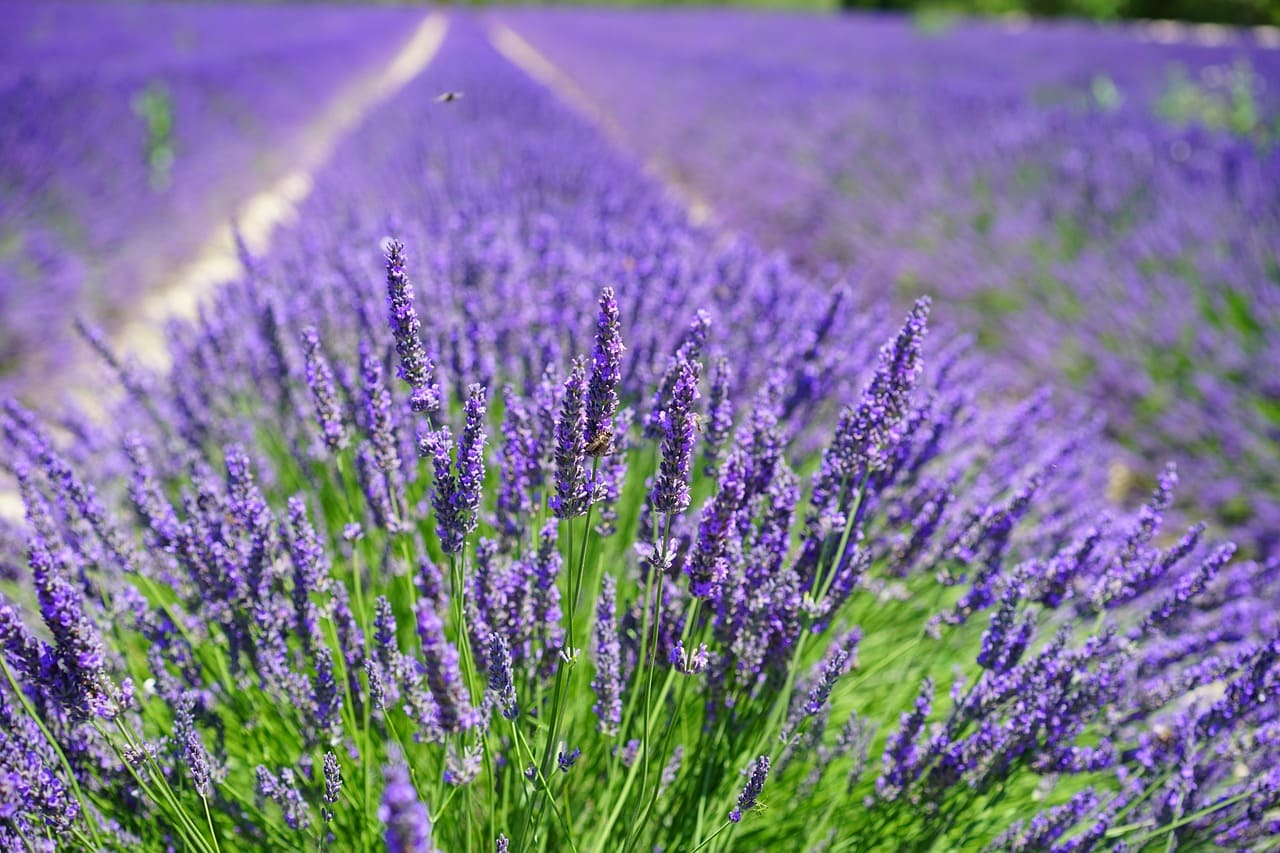
Few plants capture the senses quite like the lavender plant. With its silvery-green foliage, delicate purple blooms, and soothing fragrance, lavender has long been cherished by gardeners and herbalists alike. Whether you grow it for its scent, its color, or its ability to attract pollinators, the lavandula plant (as it’s scientifically known) is a true garden treasure.
From the rolling fields of Provence to the cozy corners of backyard gardens, lavender brings a sense of peace and timeless charm. Beyond its beauty, it’s remarkably easy to grow and care for, making it a favorite for both beginners and experienced gardeners.
The Charm of the Lavandula Plant
The lavandula plant belongs to the mint family, and its name comes from the Latin word lavare, meaning “to wash”—a nod to its historic use in baths and perfumes. This hardy perennial thrives in sunny, well-drained areas and is known for its drought tolerance once established.
One of the most appealing qualities of lavender is its versatility. It can serve as a fragrant border, a pollinator magnet, a companion plant, or even a centerpiece in decorative pots. And while lavender is often associated with purple, its flowers can range from deep violet and blue to pink and white, adding variety to any garden palette.
English Lavender: The Classic Favorite
When most people think of lavender, they’re picturing English lavender (Lavandula angustifolia). Despite its name, this species actually hails from the Mediterranean, but it’s perfectly suited for cooler climates. English lavender is prized for its sweet, floral scent and its neat, compact growth habit.
It’s a favorite for making essential oils, sachets, and culinary treats—think lavender lemonade or shortbread cookies. English lavender blooms in early to midsummer, and its flowers can be harvested and dried for long-lasting fragrance.
Pair English lavender with dusty miller plants for a stunning visual effect. The dusty miller’s silvery-gray leaves echo lavender’s soft foliage tones, creating a harmonious, textured contrast. Together, they form a soothing color palette that feels elegant and timeless, especially in formal borders or cottage-style gardens.
French Lavender and Lavender Stoechas
If you’re looking for something with a little more flair, French lavender and lavender stoechas (often called Spanish lavender) are excellent choices. These varieties are known for their distinctive “rabbit ear” petals that sit atop their flower spikes, giving them a playful and exotic appearance.
Lavender stoechas, in particular, is loved for its early bloom time and its ability to flower multiple times throughout the season when deadheaded regularly. Its scent is slightly more pungent than English lavender—resinous and herbal rather than sweet—but it adds a Mediterranean touch to any landscape.
French lavender (Lavandula dentata) features soft, toothed leaves and thrives in warmer climates where other varieties might struggle. It’s ideal for gardeners in southern regions who want that classic lavender look with a little extra heat tolerance. Both of these types of lavender pair beautifully with rustic stonework, gravel paths, or terracotta planters, evoking the feel of a sun-drenched European garden.
Caring for Your Lavender Plant
Lavender loves sunshine—at least six to eight hours of direct light each day—and thrives in well-draining soil. It doesn’t like wet feet, so avoid overly rich or soggy soil. A little neglect actually helps it flourish, as too much fertilizer or water can reduce the strength of its fragrance.
When planting, space lavandula plants about 18 to 24 inches apart to allow air circulation, which helps prevent mold and mildew. Once established, lavender is relatively low-maintenance—just prune it back in early spring or after flowering to maintain its shape and encourage new growth.
Lavender is also a pollinator’s paradise. Bees and butterflies can’t resist its nectar-rich blooms, making it an excellent choice for eco-friendly gardens. To enhance this effect, plant lavender near butterfly bushes (Buddleia). The combination creates a haven for pollinators while filling your garden with layers of purple hues and sweet fragrance. The long, arching blooms of the butterfly bush complement the tidy mounds of lavender, offering both structure and flow.
Designing with Lavender
The lavender plant is as beautiful as it is functional. Use it to line walkways, where brushing against it releases its relaxing aroma. Or plant it near seating areas so you can enjoy its fragrance up close. Lavender also works wonderfully in rock gardens, borders, and containers.
For a balanced design, combine English lavender with dusty miller plants for subtle contrast, and add lavender stoechas for height and whimsy. If you live in a warmer region, let French lavender take center stage—it’s resilient, aromatic, and effortlessly elegant.
You can also dry lavender flowers for sachets, homemade potpourri, or craft projects. Simply cut the stems when the flowers are halfway open, bundle them, and hang them upside down in a cool, dry place. Their scent will linger for months, bringing a touch of summer indoors even in the coldest seasons.
A Fragrant Classic That Endures
From the traditional English lavender to the bold lavender stoechas, from the soft-toned dusty miller plants to the pollinator-friendly butterfly bushes nearby, the lavandula plant continues to charm gardeners with its timeless beauty and calming presence.
It’s more than just a flower—it’s a symbol of serenity, resilience, and natural grace. Whether grown in garden beds, along pathways, or in pots on a sunny patio, the lavender plant brings a little piece of Provence right to your doorstep—and with it, a reminder to slow down, breathe deeply, and savor the beauty that nature so effortlessly provides.