
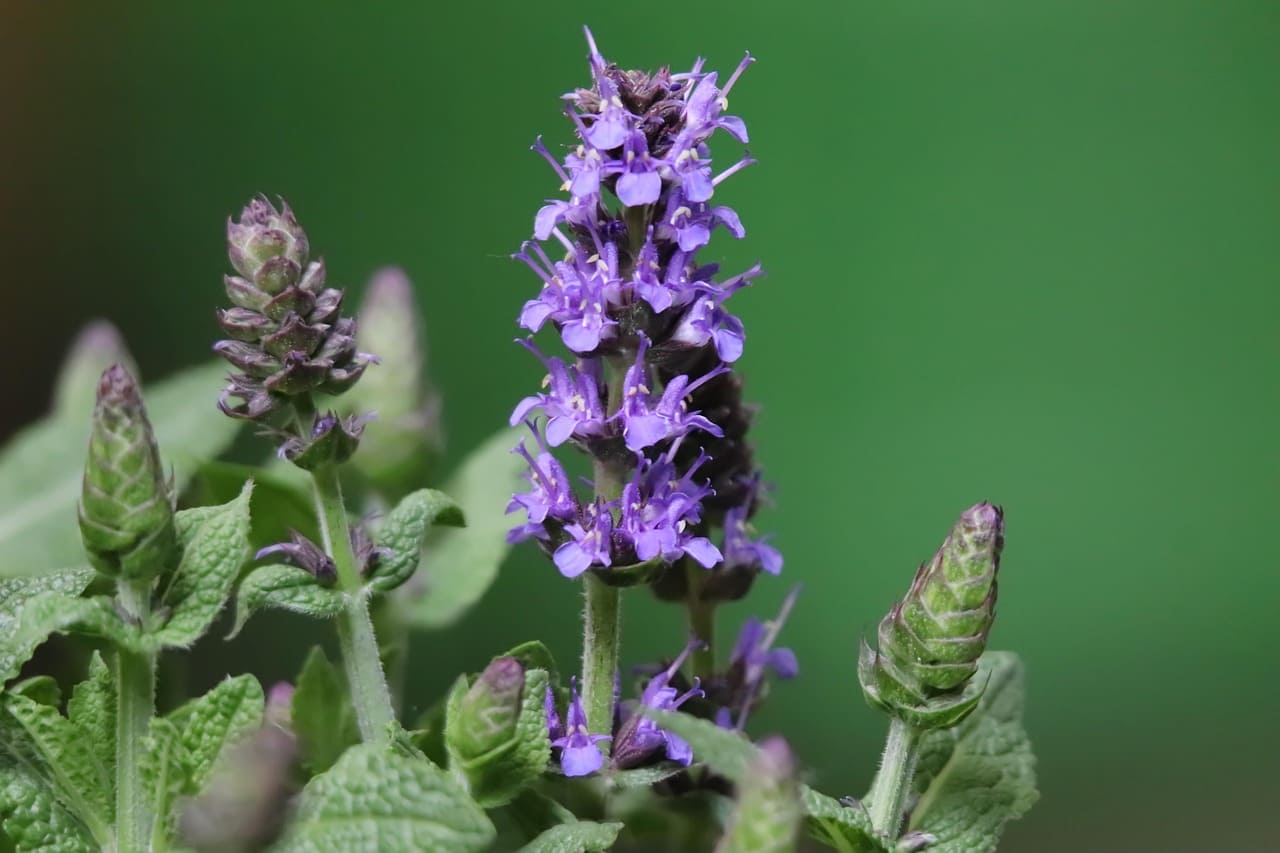
Few plants can rival the vibrancy, versatility, and resilience of salvias. Beloved by gardeners for their long bloom times, aromatic foliage, and ability to attract pollinators, salvias—often known as sages—come in an incredible range of shapes, sizes, and colors. Whether you’re planting them in borders, containers, or cottage gardens, these flowering herbs add energy and movement to any landscape. From the classic Salvia officinalis used in the kitchen to ornamental types like pineapple sage and autumn sage plants, salvias offer something special for everyone.
The Beauty and Variety of Salvias
The genus Salvia includes more than 900 species, making it one of the most diverse plant groups in the garden world. Known for their distinctive tubular blooms and aromatic leaves, salvias are not only beautiful but also practical. Their flowers are magnets for bees, butterflies, and hummingbirds, ensuring your garden buzzes with life all season long.
Perennial salvias are among the most popular choices for gardeners who want color year after year. These dependable plants return every spring, producing tall spikes of flowers in shades of blue, purple, red, pink, and white. They bloom for weeks—sometimes months—creating a continuous wave of color through late summer.
One of the most well-known species is Salvia officinalis, commonly called leaf sage or garden sage. This variety is both ornamental and edible, making it a favorite for herb gardens. Its soft, gray-green leaves are highly aromatic and can be used fresh or dried to flavor meats, soups, and sauces. In the garden, Salvia officinalis adds texture and contrast with its velvety foliage and subtle lavender-blue flowers.
The Sweet Scent of Pineapple Sage
If you’re looking for a plant that engages all the senses, pineapple sage (Salvia elegans) is a must-have. This delightful variety gets its name from the sweet, fruity scent of its leaves, which release a refreshing pineapple aroma when crushed.
Pineapple sage produces brilliant red flowers in late summer to fall, making it an excellent choice for adding late-season color to your garden. Hummingbirds are particularly fond of its bright tubular blooms, and the plant’s vibrant presence helps bridge the gap between summer and autumn. The leaves can even be used in teas, desserts, and fruit salads for a subtle tropical flavor.
Pineapple sage prefers full sun and well-drained soil. While it’s technically a tender perennial in colder regions, it can be grown as an annual or overwintered indoors in a bright window.
The Long-Blooming Autumn Sage Plant
Another standout among salvias is the autumn sage plant (Salvia greggii), a native of the southwestern United States. True to its name, this plant produces flowers from late spring through fall, thriving in warm, dry climates. Its tubular blooms come in shades of red, coral, pink, and white, offering a brilliant contrast to its small, glossy green leaves.
The autumn sage plant is drought-tolerant and thrives in full sun, making it a great option for xeriscaping or low-maintenance gardens. Its continuous flowering habit makes it a favorite for gardeners who want consistent color without constant replanting.
When planted in clusters, autumn sage creates a natural, meadow-like effect—especially when combined with other pollinator favorites such as zinnia flowers. The bold reds and pinks of salvias play beautifully against the bright oranges and yellows of zinnias, creating a cheerful display that invites butterflies and hummingbirds throughout the growing season.
Growing and Caring for Salvias
One of the best things about salvias is how easy they are to grow. Most varieties thrive in full sun and well-drained soil. Once established, they’re relatively drought-tolerant, requiring only occasional watering. Too much moisture can cause root rot, so good drainage is essential.
Deadheading spent blooms encourages continuous flowering, and a light pruning after the first bloom flush can help rejuvenate the plant for a second round of blossoms. Perennial salvias benefit from a hard trim in early spring to promote healthy new growth.
Fertilization should be light—too much nitrogen can produce lush foliage at the expense of flowers. Instead, add compost or a slow-release, balanced fertilizer in spring for steady nourishment.
Designing with Salvias
Salvias are incredibly versatile in garden design. Their tall, upright flower spikes make them excellent background or centerpiece plants, while their silvery or green foliage adds texture and contrast.
Pair leaf sage or Salvia officinalis with herbs like thyme and rosemary for a fragrant kitchen garden. Combine pineapple sage with brightly colored annuals for a tropical-inspired display, or plant autumn sage alongside ornamental grasses and zinnia flowers for a pollinator-friendly landscape that blooms from spring to frost.
Their color palette—rich purples, fiery reds, and calming blues—can fit almost any theme, from formal borders to wild, cottage-style gardens. Salvias also thrive in containers, making them perfect for patios, decks, and balconies.
A Timeless Garden Favorite
Whether you grow them for their culinary value, their aromatic leaves, or their stunning flowers, salvias are truly plants that do it all. From the practical beauty of Salvia officinalis to the fragrant allure of pineapple sage and the long-lasting blooms of autumn sage plants, there’s a salvia for every gardener.
These perennial salvias don’t just add color—they bring life, movement, and fragrance to every corner of the garden. And when paired with cheerful companions like zinnia flowers, they create a vibrant, ever-blooming haven for both people and pollinators.
For a garden that hums with color, scent, and life all season long, salvias are a timeless, rewarding choice that never disappoints.